
How to write an SDS, and when a cosmetic needs one.
A safety data sheet (SDS) has sixteen sections set by REACH and travels with substances and mixtures down the supply chain. A finished cosmetic sold to the final user is outside that duty; raw materials, and bulk sold from one business to another, may need one. This guide covers when an SDS is needed, what each section holds, and where a raw material’s SDS comes from.
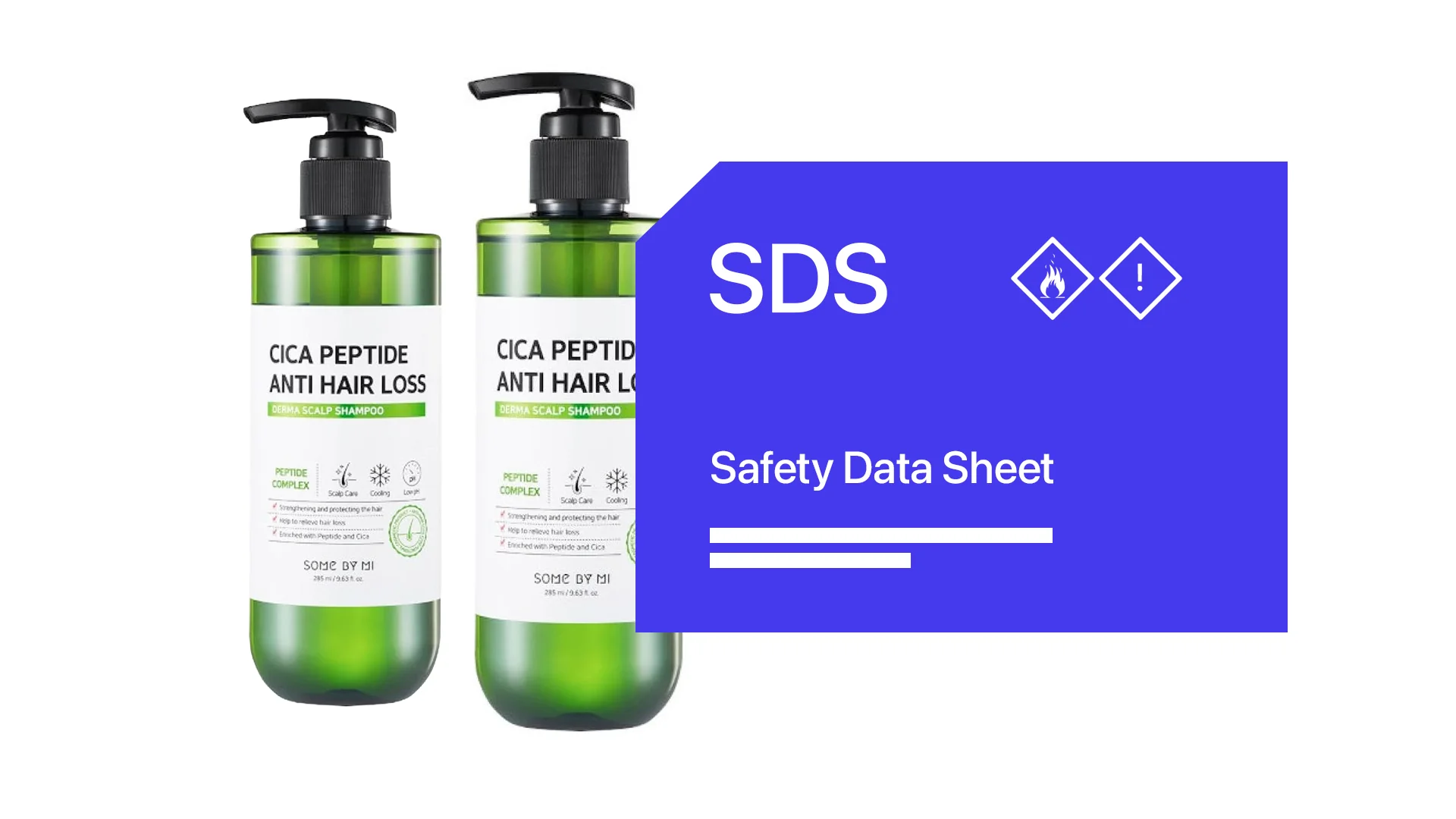
01/Finished cosmetics
Does a finished cosmetic need an SDS? Not for the final user.
REACH sets the safety data sheet duty in Title IV, information in the supply chain. Article 2(6)(b) takes finished cosmetics intended for the final user out of that Title. The exemption covers the finished product, not the materials it is made from.
Article 2(6)
The provisions of Title IV shall not apply to the following mixtures in the finished state, intended for the final user: […] (b) cosmetic products as defined in Directive 76/768/EEC;
REACH still names Directive 76/768/EEC; under Article 38 of Regulation 1223/2009, references to that Directive are read as references to the Regulation that replaced it. Türkiye’s KKDİK has the same exemption, in its Article 2(4)(b).
No SDS duty under REACH. Carriers, marketplaces and business buyers ask for one anyway.
A bulk sold to a filler or a brand is not in the finished state for the final user. Article 31(1) applies if the mixture is classified hazardous; Article 31(3) on request in the cases it lists.
The supplier of a hazardous substance or mixture provides its SDS, free of charge, no later than the first delivery (Article 31(8)).
02/Sixteen sections
What goes in an SDS? Sixteen sections, in this order.
Article 31(6) fixes the headings and their order; Annex II sets what goes under each. The sheet is dated, and no subsection is left blank.
Identification of the substance/mixture and of the company/undertaking
The product identifier, its relevant uses and uses advised against, the supplier’s details and an emergency telephone number.
Hazards identification
The classification under CLP and the label elements: pictograms, signal word, hazard and precautionary statements, and any other hazards.
Composition/information on ingredients
The hazardous ingredients, with their CAS and EC numbers, their concentration or range and their classification.
First-aid measures
What to do after exposure by each route, the most important symptoms, and when medical attention is needed.
Fire-fighting measures
Suitable extinguishing media, the hazards that arise in a fire and advice for firefighters.
Accidental release measures
Personal and environmental precautions, and how a spill is contained and cleaned up.
Handling and storage
Safe handling, and storage conditions including incompatible materials.
Exposure controls/personal protection
Occupational exposure limits and the protection they call for: ventilation, gloves, eye protection.
Physical and chemical properties
Appearance, odour, pH, flash point, density, solubility and the other properties Annex II lists.
Stability and reactivity
Reactivity, chemical stability, conditions and materials to avoid, and hazardous decomposition products.
Toxicological information
The health effects for each hazard class, such as acute toxicity, irritation and sensitisation, with the data behind them.
Ecological information
Toxicity to aquatic life, persistence, bioaccumulation and mobility in soil.
Disposal considerations
How the product and its packaging are disposed of.
Transport information
UN number, proper shipping name, transport hazard class and packing group for road, sea and air (ADR, IMDG, IATA).
Regulatory information
The safety, health and environmental rules specific to the product.
Other information
Revisions since the last version, abbreviations, data sources and training advice.
For a finished product, SDS Authoring builds all sixteen from the formula.
03/The rules
Who writes it, in which language? Four rules.
The SDS is the supplier’s duty, not the buyer’s. Four rules decide who writes it, how it reads and when it changes.
Prepared by a competent person with appropriate training, refresher training included. In Türkiye, by a chemical assessment expert certified under KKDİK.
In an official language of the Member State where it is placed on the market. In Türkiye, in Turkish.
Dated on the first page. A revised sheet carries “Revision: (date)” and lists what changed.
Updated without delay when new hazard information arrives, and sent free of charge to everyone supplied in the previous 12 months.
In Türkiye the form must be prepared by a chemical assessment expert certified under Annex 18 of KKDİK (Article 27(1) of KKDİK), and supplied in Turkish.
04/Raw materials
Where does a raw material’s SDS come from? From its supplier.
A brand or contract manufacturer does not write the SDS of the oils, preservatives and fragrances it buys; the supplier provides it. The work on the cosmetics side is keeping the current version of each one, for every product that uses it.
- In Raw Portal, suppliers upload their MSDS, TDS, COA, IFRA and allergen statements once and answer every customer’s request from one library. It is free for suppliers.
- Customers who don’t use Unique Alphabet receive the documents by link, valid for 7, 14 or 30 days.
- On the brand’s side, each SDS sits on its ingredient with a version and an expiry date. A new version archives the old one, and a reminder comes 30 days before a document expires.
- One request covers what is missing across all your formulas; the supplier uploads straight into the right places.
- A blend you make yourself is saved once in Custom Mix; add it to a formula and it opens into its ingredients, with its documents attached.
Questions about the SDS.
Does a finished cosmetic need an SDS?
Not under REACH. Cosmetic products in the finished state, intended for the final user, are exempt from the safety data sheet duty under Article 2(6)(b). Carriers, marketplaces and business buyers ask for one anyway.
Is an MSDS the same as an SDS?
Yes. MSDS, material safety data sheet, is the older name. REACH calls it a safety data sheet; in Türkiye it is the güvenlik bilgi formu (GBF). The sixteen sections are the same.
Who may write an SDS?
In the EU, a competent person who has received appropriate training, refresher training included. In Türkiye, a chemical assessment expert certified under Annex 18 of KKDİK.
Which language must an SDS be in?
In an official language of the Member State where the product is placed on the market, unless that state provides otherwise. In Türkiye, in Turkish.
When must an SDS be updated?
Without delay when new information on hazards or on risk management measures becomes available, when an authorisation is granted or refused, and when a restriction is imposed. The revised sheet goes free of charge to everyone supplied in the previous 12 months.
Sixteen sections, from one formula.
Free plan · no card